When you begin the exciting journey of searching for homes for sale in Florida, you will quickly discover that the state’s real estate market is as diverse, dynamic, and expansive as its population. From sprawling, secluded single-family estates tucked away in quiet, heavily wooded suburbs to high-rise, ultra-luxury condominiums that offer breathtaking, panoramic views of the Atlantic Ocean or the Gulf of Mexico, the Sunshine State provides a staggering variety of property types tailored to suit virtually every lifestyle, budget, and personal preference imaginable.
For out-of-state movers relocating for work, first-time homebuyers looking to plant roots, and seasoned real estate investors seeking lucrative rental income, understanding the subtle nuances of these different housing options is not just helpful—it is absolutely critical to making a sound financial decision. Purchasing a beachfront condo in the bustling heart of Miami requires a vastly different financial commitment, maintenance strategy, and lifestyle adaptation than buying a traditional single-family home in a quiet, family-oriented master-planned community near the theme parks of Orlando. In this comprehensive, in-depth guide, we will meticulously break down the various types of homes available across Florida, explore the myriad pros and cons of living in master-planned communities, analyze the current market trends, and provide highly actionable tips for navigating the complex buying process in one of the nation’s hottest real estate markets.
Exploring Diverse Home Types Across the Sunshine State
Florida’s unprecedented and rapid population growth over the last decade has spurred real estate developers to create a wide, innovative array of housing solutions to meet sky-high demand. The market is constantly evolving. Here is a closer, detailed look at the most common types of homes you will encounter when browsing listings on the market today:
Single-Family Homes: The Classic American Dream
The traditional single-family home remains, by far, the most sought-after property type in Florida. These standalone properties offer the highest possible level of privacy, dedicated outdoor living space, and freedom from strict community rules—provided they are not located within a restrictive Homeowners Association (HOA). They are the ideal choice for growing families, pet owners who need fenced yards, and anyone who dreams of having a private, screened-in backyard pool (often referred to as a lanai) for year-round entertaining. However, it is important to note that single-family homes also require the most hands-on maintenance. As the sole owner, you are entirely responsible for lawn care, exterior painting, driveway upkeep, and crucial structural repairs like roof replacements, which can be particularly costly in Florida due to the harsh tropical climate and intense summer sun.
Condominiums (Condos): The Ultimate Lock-and-Leave Lifestyle
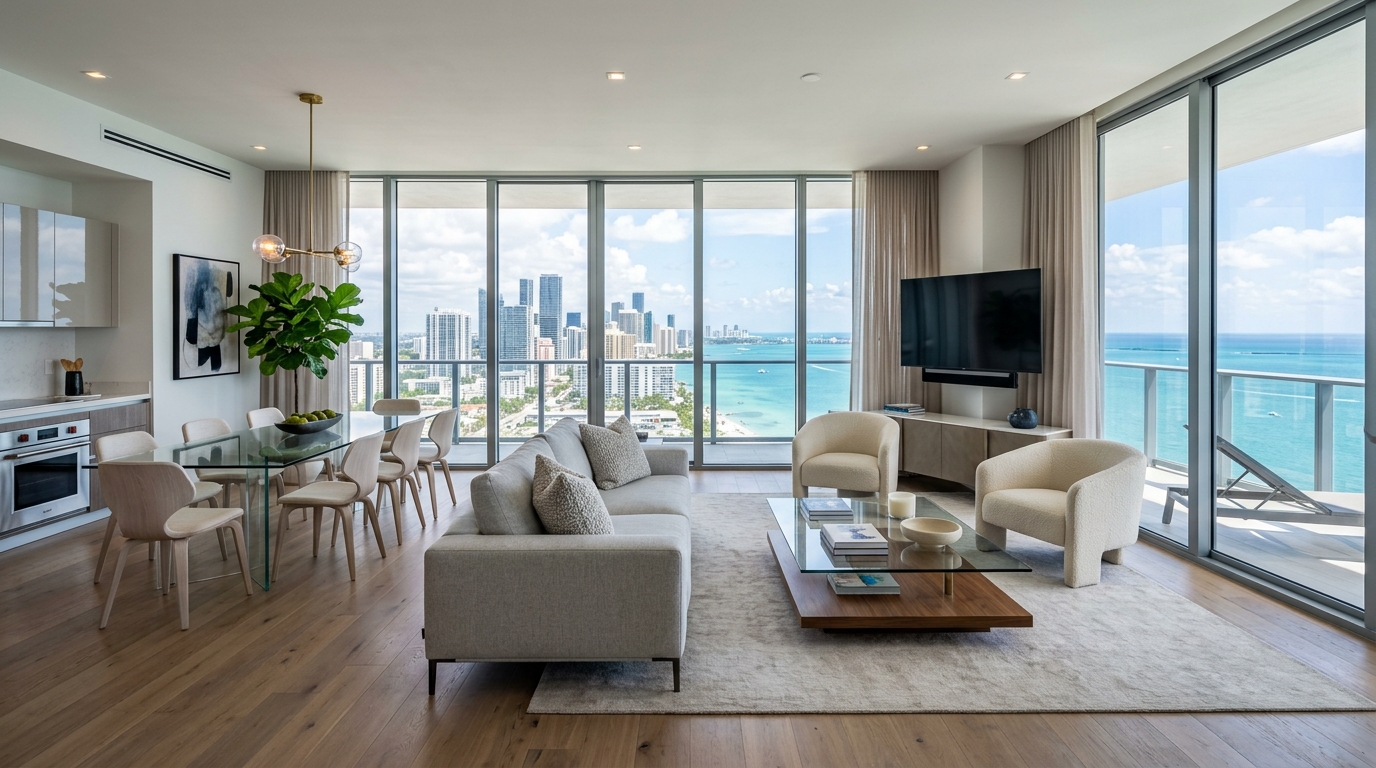
Condominiums are incredibly popular and heavily concentrated in Florida’s coastal and urban cities, such as Miami, Fort Lauderdale, West Palm Beach, and Tampa. They offer a highly desirable “lock-and-leave” lifestyle, making them absolutely perfect for retirees, snowbirds (part-time residents who flee cold northern winters), and busy young professionals who travel frequently. When you own a condo, the condo association (COA) handles all exterior building maintenance, landscaping, roof repairs, and the upkeep of shared amenities like resort-style pools and fitness centers. The major trade-off? You must pay monthly, quarterly, or annual condo fees, which can be quite substantial and are subject to increase. Furthermore, you generally have less privacy due to shared walls, ceilings, floors, and bustling common areas.
Townhomes: The Perfect Middle Ground
Townhomes successfully bridge the gap between the maintenance-heavy single-family home and the high-density living of a condo. They typically offer significantly more square footage than condos, often spanning two or three stories, and usually include private, attached garages—a major plus for security and storage. While you still share at least one architectural wall with a neighbor and must pay HOA fees, these fees are frequently lower than those associated with high-rise luxury condos. Additionally, townhome owners generally benefit from having a small, private outdoor space, such as a patio or a compact backyard, perfect for a barbecue grill or a small garden.
Master-Planned Communities: Are They Truly Worth the Investment?
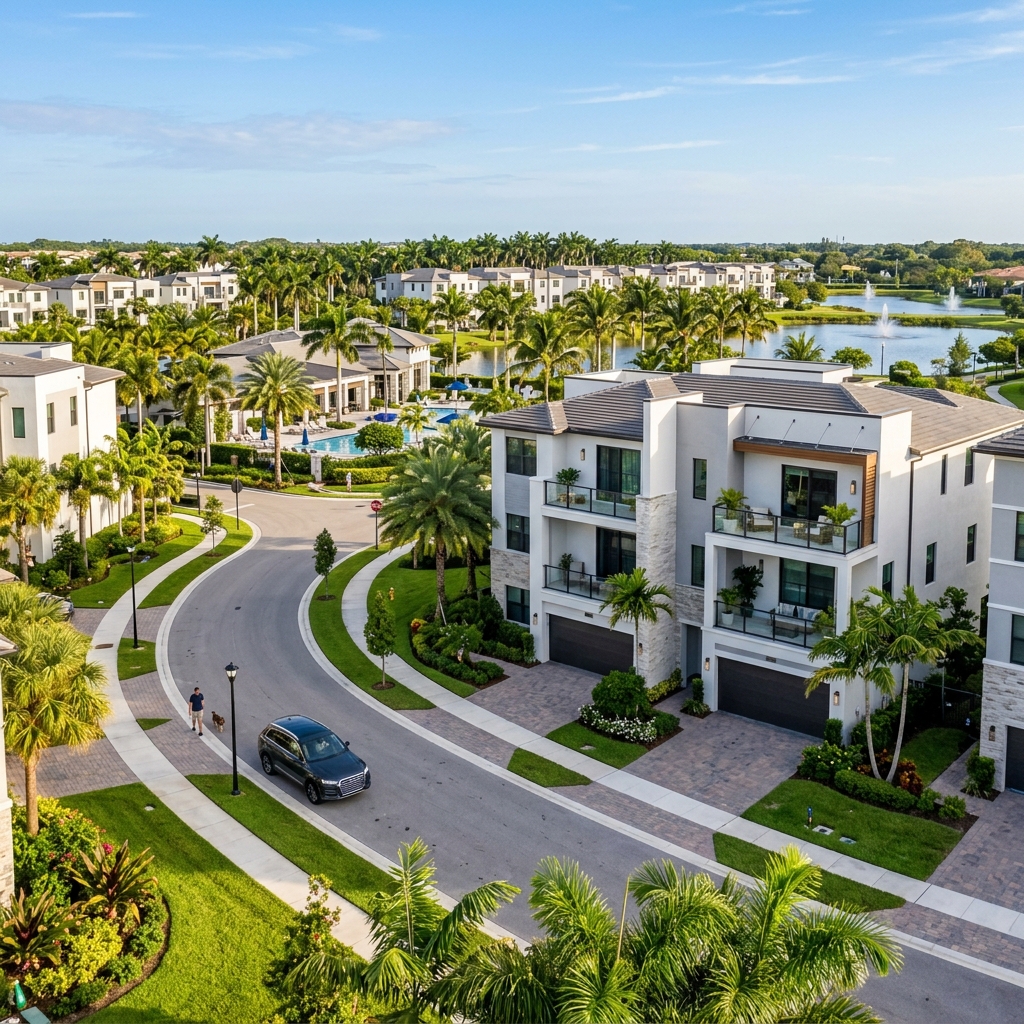
If you are looking at newer, suburban homes for sale in Florida, you will almost certainly come across properties located within Master-Planned Communities (MPCs). These are massive, meticulously designed residential developments that are engineered to function almost like self-contained, self-sustaining mini-cities.
The Pros of Master-Planned Living:
- Incredible, Resort-Style Amenities: MPCs often feature multimillion-dollar amenity centers that include lagoon-style swimming pools with water slides, massive clubhouses, private championship golf courses, professional-grade tennis and pickleball courts, and miles of paved walking and biking trails.
- Unmatched Convenience: Many large-scale MPCs strategically include commercial zoning right within the community borders. This means residents can legally and safely drive their golf carts to the local grocery store, a favorite coffee shop, excellent restaurants, or even medical and dental offices without ever merging onto a major highway.
- Maintained and Protected Property Values: Strict, legally binding HOA rules ensure that every house, lawn, and driveway in the neighborhood is impeccably maintained. This uniformity helps protect and even boost the long-term value of your real estate investment, as the neighborhood will never look run-down.
The Cons of Master-Planned Living:
- High and Recurring Fees: Between mandatory monthly HOA dues and annual CDD (Community Development District) fees—which pay for the community’s infrastructure bonds—living in an MPC can significantly increase your overall monthly housing budget.
- Strict, Sometimes Overbearing Rules: The HOA governs almost everything visible from the street. This includes the exact color palette you are allowed to paint your front door, the specific types of native plants permitted in your garden, and stringent rules about where you can park your car or store a boat. If you highly value total independence and creative expression with your property, an MPC might feel incredibly restrictive.
The Buying Process: Essential Advice for Out-of-State Movers
Moving to Florida from another state, whether it be from the snowy Midwest or the crowded Northeast, requires an extra layer of due diligence and careful planning. First and foremost, you must partner with a highly experienced, local real estate agent who will act as your trusted “boots on the ground.” A great agent can conduct detailed video walkthroughs of properties and spot potential issues you might easily miss on a smartphone camera, such as excessive neighborhood traffic noise, unpleasant environmental odors, or signs of water intrusion.
Second, and this cannot be stressed enough: never, under any circumstances, waive the professional home inspection contingency. Florida’s tropical climate is notoriously harsh on residential structures. You need a licensed professional to rigorously check the integrity of the roof, the age and efficiency of the HVAC system, and look for subtle, hidden signs of destructive termite damage or toxic mold growth, which thrive in high-humidity environments.
Financing Your Florida Home: Critical Tips and Financial Tricks
When applying for a residential mortgage in Florida, it is vital to remember that your lender will heavily scrutinize the property’s overall insurability before approving the loan. Because homeowners insurance rates in Florida are currently among the absolute highest in the entire nation, the estimated annual cost of both insurance and local property taxes must be carefully factored into your debt-to-income (DTI) ratio. If these costs push your DTI too high, you could be denied the loan even if the purchase price seems affordable.
Furthermore, if you are buying a condo, the lending institution will not just evaluate your personal finances; they will also conduct a thorough review of the condo association’s financial health. They will look at the COA’s reserve funds, checking for any pending special assessments or active lawsuits against the building, before clearing the loan to close. Ensuring the building is financially stable is just as important as ensuring your own bank account is ready for the purchase.
Frequently Asked Questions (FAQ) About Buying Florida Real Estate
1. Are 55+ age-restricted communities common in Florida?
Yes, extremely common. Florida is globally recognized as the epicenter of age-restricted (55+) residential communities. These sprawling, active-adult neighborhoods offer highly tailored lifestyles, abundant daily social clubs, fitness classes, and amenities designed specifically to cater to the needs and interests of retirees.
2. Can I negotiate HOA or CDD fees when buying a home?
No, you cannot. HOA and CDD fees are legally fixed by the association’s board of directors and the local county government based on the community’s operating budget. You cannot negotiate these recurring fees with the seller. However, you can sometimes negotiate for the seller to cover the first few months or even a full year of these fees upfront as a credit during the closing process.
3. What exactly is a “lanai,” and why does every house seem to have one?
When browsing Florida real estate listings, you will frequently see the word “lanai” highlighted as a major selling point. A lanai is simply a covered porch, patio, or veranda. In Florida, however, they are almost always enclosed with a fine, tightly woven mesh screen. This screen allows residents to enjoy the warm breezes and outdoor dining year-round while keeping out mosquitoes, palmetto bugs, and other unwanted pests.
Conclusion: Taking the Next Step in Your Real Estate Journey
The vast market for homes for sale in Florida is rich with diverse, exciting options for buyers of all backgrounds. Whether you vividly envision yourself waking up to ocean views in a vibrant high-rise condo, relaxing in a cozy suburban townhome, or entertaining guests in a spacious single-family estate located within a world-class master-planned community, there is undoubtedly a perfect property waiting for you. By fully understanding the true, total costs of homeownership in the state—including rising insurance premiums, mandatory HOA fees, and tropical weather maintenance—you can confidently make a highly informed, secure financial decision and begin enjoying all the incredible benefits that come with living in the beautiful Sunshine State.