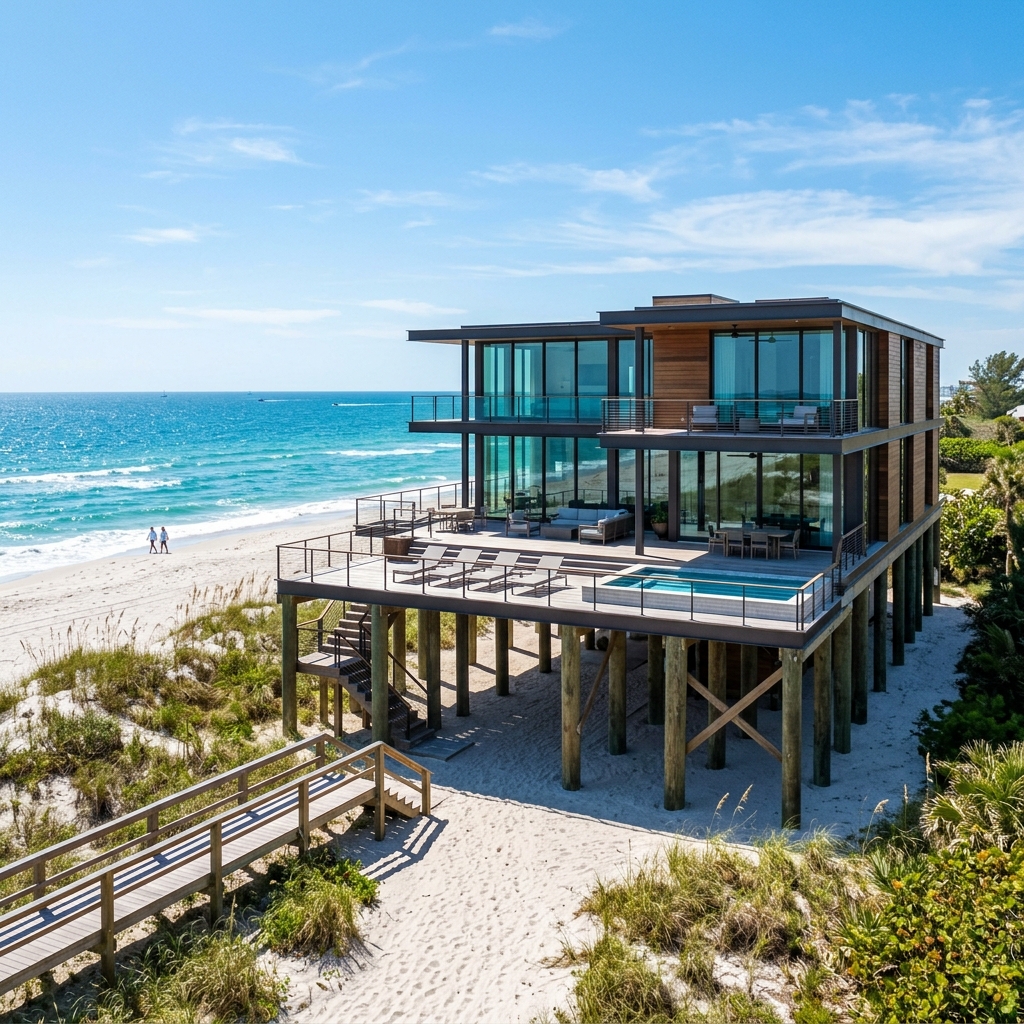
There is perhaps no real estate fantasy more universally shared than the dream of owning a stunning property right on the edge of the ocean. The phrase beach houses for sale in Florida conjures vivid, idyllic images of sipping your morning coffee while watching the sun rise over the Atlantic, spending lazy afternoons walking along powdery white sands, and falling asleep to the rhythmic, soothing sound of waves crashing against the shore just outside your bedroom window. It is the ultimate embodiment of the relaxed, luxurious coastal lifestyle that draws millions of visitors and prospective homebuyers to the Sunshine State every single year.
However, the reality of purchasing, maintaining, and successfully managing a beachfront property is vastly more complex than simply finding a beautiful home and handing over a down payment. The Florida coastline is a highly dynamic, ever-changing environment characterized by intense tropical weather systems, corrosive salt air, and strict, highly localized zoning regulations. For out-of-state investors, retirees looking for a permanent seaside sanctuary, and families seeking a multi-generational vacation home, navigating this specialized niche of the real estate market requires an extensive level of specialized knowledge, meticulous financial planning, and a deep understanding of coastal engineering and insurance mandates. In this extensive, deeply comprehensive guide, we will thoroughly explore the unparalleled allure of Florida beach houses, meticulously break down the crucial differences between the Gulf Coast and the Atlantic Coast, examine the hidden costs of coastal ownership, and provide you with the indispensable, actionable advice you need to make a secure and profoundly profitable investment.
Living the Dream: The Ultimate Guide to Florida Beach Houses
The appeal of buying a beach house in Florida extends far beyond the undeniable aesthetic beauty of the ocean. For many buyers, a beachfront home represents a tangible, highly appreciating asset that can generate substantial passive income while simultaneously serving as a private, luxurious getaway for family and friends.
Unlike traditional inland suburban properties, beach houses are inherently limited in supply. The amount of buildable waterfront land in Florida is strictly finite, and due to stringent environmental protection laws and coastal development regulations, it is becoming increasingly difficult to construct new properties directly on the sand. This fundamental economic principle of high demand and strictly constrained supply is the primary reason why beachfront real estate historically holds its value exceptionally well, even during periods of broader economic downturns or housing market corrections. When you purchase a beach house, you are not just buying a physical structure; you are buying an exclusive, irreplaceable slice of the Florida coastline.
Gulf Coast vs. Atlantic Coast: Which Side is Right for You?
One of the very first, and arguably the most important, decisions you must make when searching for beach houses for sale in Florida is choosing which coast aligns best with your specific lifestyle, preferences, and long-term financial goals. The state’s two primary coastlines offer surprisingly different environments, cultures, and real estate markets.
The Atlantic Coast (East Coast)
The Atlantic Coast, stretching from the historic shores of St. Augustine all the way down to the vibrant, cosmopolitan energy of Miami, is characterized by energetic, rolling waves that are perfect for surfing, dramatic sunrises, and a generally faster-paced, more urbanized lifestyle. The beaches here often feature slightly coarser, golden-hued sand.
- The Vibe: Energetic, bustling, and highly commercialized in certain areas. It is ideal for those who want to be close to major international airports, high-end luxury shopping, and world-class nightlife.
- Real Estate Market: Property values on the southeastern Atlantic Coast (especially in Palm Beach, Broward, and Miami-Dade counties) are among the highest in the entire state, driven by intense international demand and extreme luxury development.
- Weather Considerations: The East Coast historically bears the brunt of direct hurricane strikes moving westward off the Atlantic Ocean, making stringent windstorm insurance and heavy-duty storm shutters absolutely essential.
The Gulf Coast (West Coast)
The Gulf Coast, encompassing the incredibly popular Suncoast (Tampa/Clearwater) down to the luxurious Paradise Coast (Naples/Marco Island), is famous for its calm, remarkably clear emerald waters, powdery, sugar-white quartz sand, and spectacular, fiery sunsets that draw crowds every evening.
- The Vibe: Generally much more relaxed, family-oriented, and heavily focused on nature, boating, and tranquil coastal living. It is the preferred destination for retirees seeking a slower, more peaceful pace of life.
- Real Estate Market: While Naples and Sarasota boast some of the most expensive and exclusive beachfront mansions in the country, the Gulf Coast also offers more accessible, charming mid-century beach bungalows and mid-rise condos in areas like Clearwater and Fort Myers.
- Weather Considerations: While still highly susceptible to hurricanes (particularly those moving up through the Gulf of Mexico), the Gulf Coast’s primary environmental concern is often severe storm surge due to the very shallow, gradually sloping nature of the continental shelf in the Gulf.
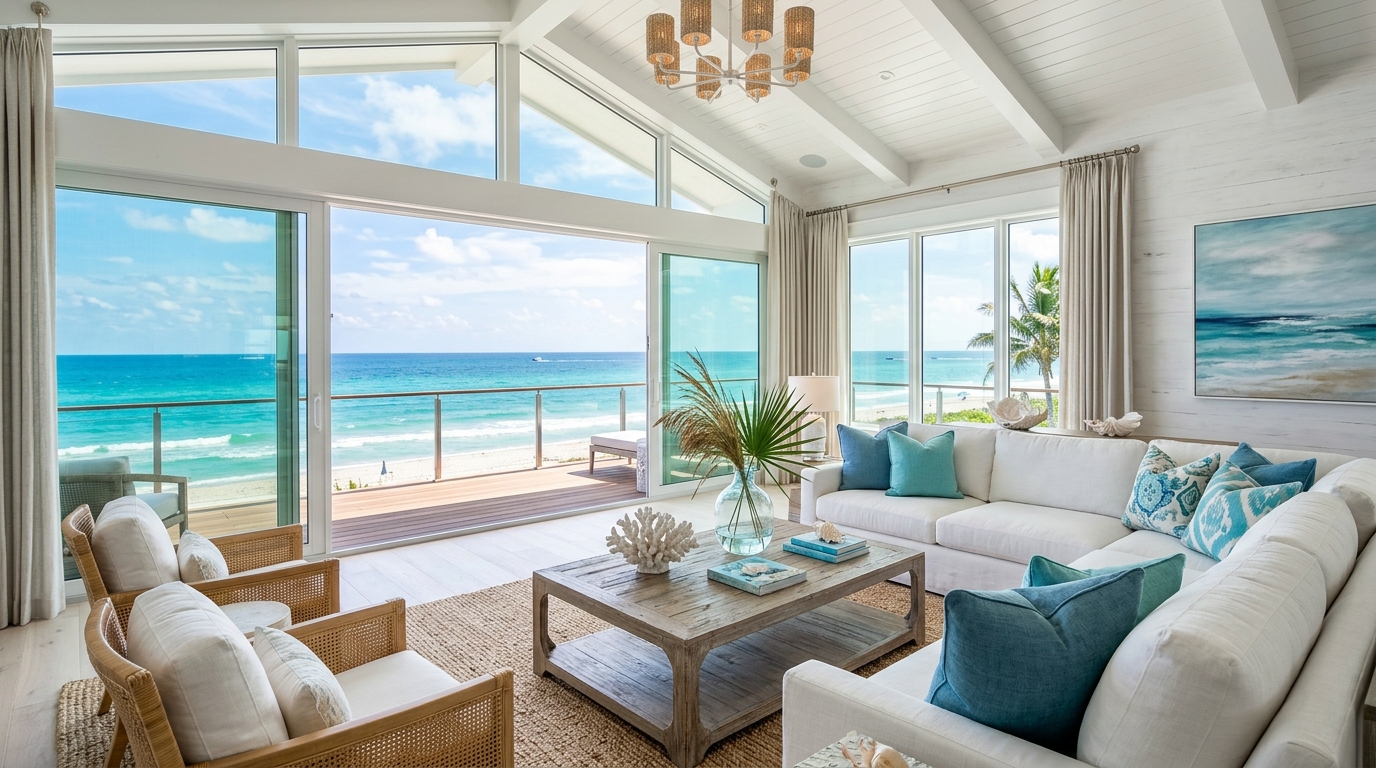
Protecting Your Investment: Weatherproofing and Insurance Realities
Owning a home located directly on the beach means you are on the absolute front lines of Mother Nature. When evaluating potential properties, you must look far beyond the aesthetic appeal of the kitchen countertops and focus intently on the structural integrity and disaster preparedness of the home.
Coastal Construction Standards
Following the devastating impact of Hurricane Andrew in 1992, Florida implemented some of the strictest, most robust building codes in the world. If you are purchasing a newly constructed beach house, it will likely feature deeply driven reinforced concrete pilings, specialized roof tie-downs, and shatter-resistant impact glass designed to withstand Category 5 wind speeds. However, if you are purchasing an older beach cottage built in the 1970s or 1980s, you must rigorously budget for significant structural retrofitting, as bringing an older coastal home up to modern safety standards can cost hundreds of thousands of dollars.
The True Cost of Coastal Insurance
Standard homeowners insurance policies absolutely do not cover damage caused by rising water or storm surge. Therefore, if your home is situated on the beach, you will be federally mandated to carry a separate, highly specialized flood insurance policy through the National Flood Insurance Program (NFIP) or a private carrier. Furthermore, you will need dedicated windstorm coverage. In some high-risk coastal zones, the combined annual cost of flood, wind, and standard hazard insurance can easily exceed the cost of the property taxes, significantly impacting your monthly carrying costs.
Property Management Options for Absentee Owners
A significant percentage of Florida beach house buyers do not intend to live in the property year-round. If you plan to use the home as a seasonal retreat and rent it out to vacationers during the months you are away, you must implement a bulletproof property management strategy.
Operating a highly successful short-term rental on platforms like Airbnb or VRBO requires constant, daily attention. From coordinating emergency plumbing repairs in the middle of the night to managing professional cleaning crews between back-to-back guest check-ins, the logistics can be overwhelming for an out-of-state owner. Hiring a reputable, locally based professional property management company is almost always necessary. These specialized firms typically charge anywhere from 20% to 30% of your gross rental income, but in exchange, they handle absolutely everything: aggressive marketing, dynamic pricing strategies, guest communication, routine preventative maintenance, and strict legal compliance with local zoning ordinances.
Frequently Asked Questions (FAQ)
1. Are all beachfront homes in Florida legally allowed to be rented out as short-term vacation homes?
Absolutely not. The ability to legally operate a short-term rental (typically defined as any lease under 30 days) is heavily governed by strict municipal zoning laws and individual Homeowners Association (HOA) rules. Many exclusive beachfront communities have outright banned short-term rentals to preserve the quiet, residential nature of the neighborhood. Always verify the specific zoning and HOA bylaws before closing on a property.
2. What is the Coastal Construction Control Line (CCCL)?
The CCCL is a critically important jurisdictional boundary established by the Florida Department of Environmental Protection. It is designed to protect the state’s fragile beach and dune systems from destructive, poorly planned development. If the beach house you are interested in purchasing sits seaward of this invisible line, any future modifications, expansions, or major repairs to the property will require specialized, highly complex environmental permits that can be difficult and time-consuming to obtain.
3. How much maintenance does a beach house actually require?
Significantly more than a standard inland home. The continuous exposure to corrosive salt spray, high humidity, and relentless coastal winds means that exterior paint fades faster, metal fixtures rust prematurely, and HVAC condenser units have a much shorter lifespan. You must proactively budget for a rigorous, ongoing preventative maintenance schedule to protect your investment.
Conclusion
Purchasing one of the spectacular beach houses for sale in Florida is a monumental financial achievement that provides an absolutely unparalleled, luxurious coastal lifestyle. While the environmental challenges, insurance complexities, and ongoing maintenance requirements of beachfront ownership are undeniably significant, they are entirely manageable with proper education and proactive planning. By taking the time to carefully research the distinct differences between the Atlantic and Gulf coasts, accurately budgeting for the true costs of coastal insurance, and partnering with a highly experienced local real estate professional, you can confidently secure a profoundly profitable investment and begin enjoying your own private, sun-drenched slice of Florida paradise.